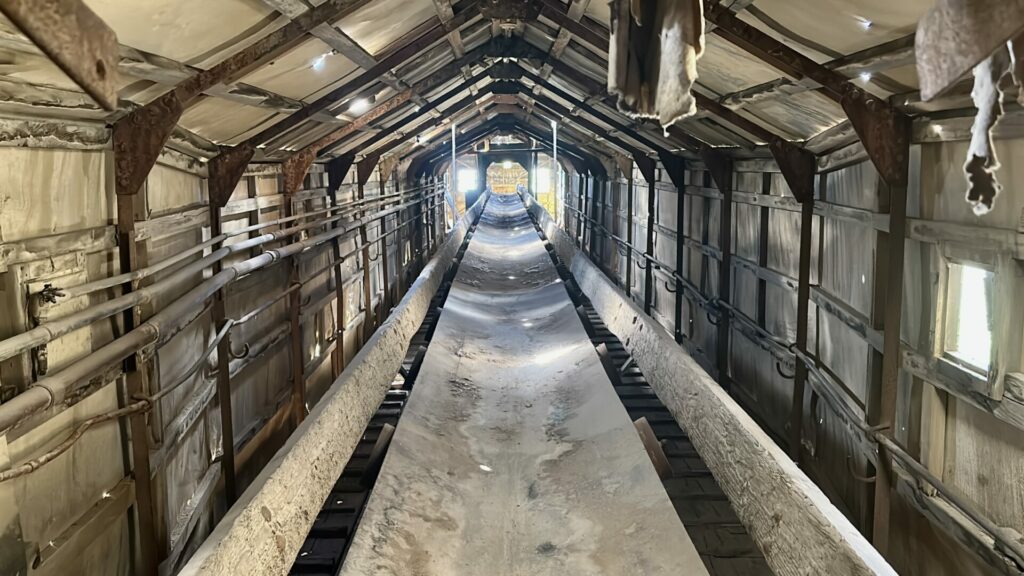
Gold Dredge 8
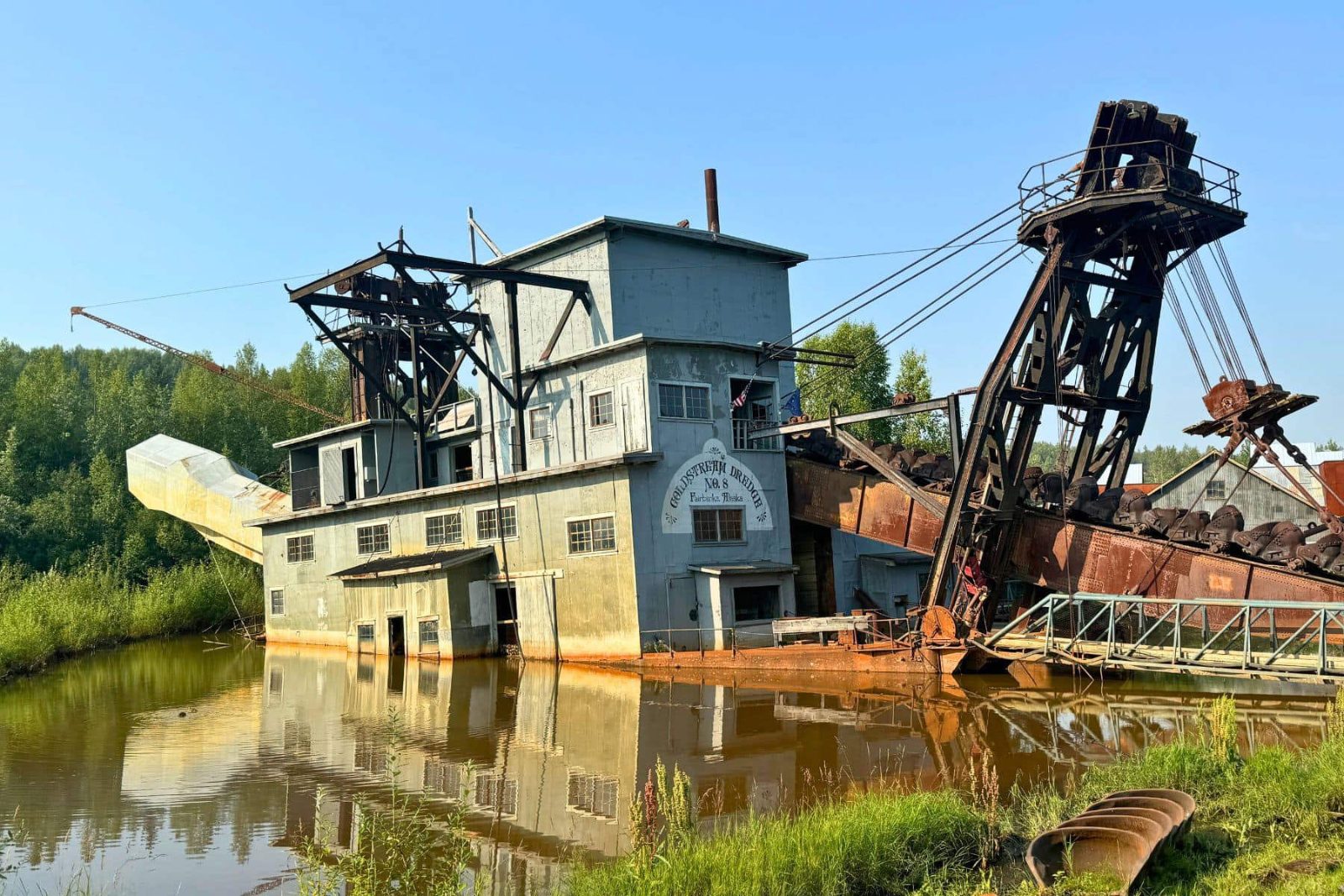
This massive steel structure operated until 1959 and is now a National Historic Site. It provides a visual scale of industrial mining operations in the Alaskan interior.
Walk to the upper deck for views of the mining ponds.

Gold Dredge 8 sits on the Old Steese Highway as one of the few operational historic dredges in Interior Alaska where visitors can try their hand at panning. This guide covers what to expect from the tour, how the panning process works, and the practical details that shape your visit.
Quick answer
Public gold panning Fairbanks Alaska is available daily at Gold Dredge 8, open 10:00–16:00 seven days a week. The $92 entrance fee covers a two-hour guided mine tour, a narrow-gauge train ride through the permafrost tunnel, and a supervised gold panning session where you keep what you find. Arrive between 10:00 and 14:00 to secure enough time for the full experience and avoid late-afternoon tour group overlap.
Gold Dredge 8 extracted more than 7.5 million ounces of gold from Goldstream Valley between 1928 and its shutdown in 1959, making it one of the most productive bucket-line dredges in Alaska's mining history. Today the five-deck dredge sits preserved on its original pond, offering the only hands-on gold recovery experience at a National Historic Site in the Fairbanks region. The two-hour program begins with a ride aboard a replica of the Tanana Valley Railroad, the narrow-gauge line that once connected the mining camps. Guides walk you through the dredge's mechanical systems—the bucket chain that tore through frozen gravel, the sluice tables that separated ore, and the winch towers that repositioned the floating hull. The permafrost tunnel stays at a constant 40°F year-round, a reminder that most of the gold-bearing pay dirt in Interior Alaska lies locked beneath a frozen layer that thaws only at the surface during summer. Public gold panning Fairbanks Alaska centers on a supervised session at an outdoor sluice fed with concentrate seeded from active claims in the region. Each visitor receives a metal pan, a brief demonstration of the circular washing motion that separates heavier flakes from lighter sediment, and about twenty minutes to work a batch of gravel. The instructors correct your technique as you go—most first-time panners lose gold in the initial pour—and help you spot the fine flour gold that clings to the pan's ridges. You bottle what you recover in a small vial; yields vary, but most visitors leave with at least a few visible flakes. The dredge itself remains stationary, but the interpretive program includes access to the engine room, the operator's cabin, and the stacker deck where tailings were expelled in long windrows that still stripe the valley floor. Seasonal mining demonstrations run when weather permits, and the gift shop sells prospecting supplies for those who want to try their luck at one of the public creeks outside the park boundary. The site is privately operated and unaffiliated with the National Park Service, though it sits within the broader Goldstream Valley historic district.
“Gold Dredge 8 extracted more than 7.5 million ounces of gold from Goldstream Valley between 1928 and 1959, making it one of the most productive bucket-line dredges in Alaska's mining history.”
The best arrival window for Gold Dredge 8 is 10:00–14:00 to balance visitor traffic with the guided tour schedule. Arriving early during this window helps avoid mid-day tour group congestion and ensures sufficient time to complete the two-hour experience.
Mild, 60°F to 75°F
Expect peak crowds and warmer weather during the height of the Alaskan summer season.
Cool, 45°F to 60°F
Lower visitor numbers make these shoulder months favorable for those preferring a quieter pace.
—
Arriving at 10:00 on weekdays provides the most consistent opportunity to avoid peak tour group arrivals.
Verdict: The best time to visit is mid-week between 10:00 and 12:00 during the shoulder months of May or September.
Gold Dredge 8 is open daily to the public throughout the operating season.
The complete Gold Dredge 8 experience takes 2 hours and suits anyone interested in Alaska's gold mining heritage and hands-on panning. Plan for a full guided tour covering mine operations, historic equipment, and guaranteed gold takeaway.
Board the narrow-gauge train that carries you through the historic mining camp while your guide explains the dredge operation and permafrost mining techniques. The tour covers both indoor and outdoor areas, so dress in layers.
Step inside the five-story dredge to see the processing room, engine house, and bucket line that once moved 18 tons of gravel per scoop. Your guide demonstrates how the sluice boxes separated gold from rock.
Walk through the preserved bunkhouses, mess hall, and assay office where miners lived and worked during the operation's peak years. Displays show original tools, claim maps, and daily life artifacts.
Receive a pan, gravel pay dirt, and step-by-step instruction on the circular motion and water technique that isolates gold flakes. Every pan contains gold—you keep what you find.
Transfer your findings into a souvenir vial at the panning station, where staff can help identify the size and quantity of your flakes. Most visitors collect 3-8 small flakes per pan.
Gold Dredge 8 is located at 1803 Old Steese Hwy N, Fairbanks, AK 99712. The site is situated north of Fairbanks city center and is most easily accessed by personal vehicle or taxi via the Old Steese Highway.
Old Steese Hwy N
Old Steese Hwy N
Ample parking is available on-site for visitors arriving by car. Plan to arrive between 10:00 and 14:00 to avoid mid-day tour group crowds.
Gold Dredge 8 offers visitors a chance to explore historic mining equipment and participate in traditional prospecting techniques. The site highlights the engineering legacy of the Tanana Valley while providing practical experience in gold recovery.
This massive steel structure operated until 1959 and is now a National Historic Site. It provides a visual scale of industrial mining operations in the Alaskan interior.
Walk to the upper deck for views of the mining ponds.
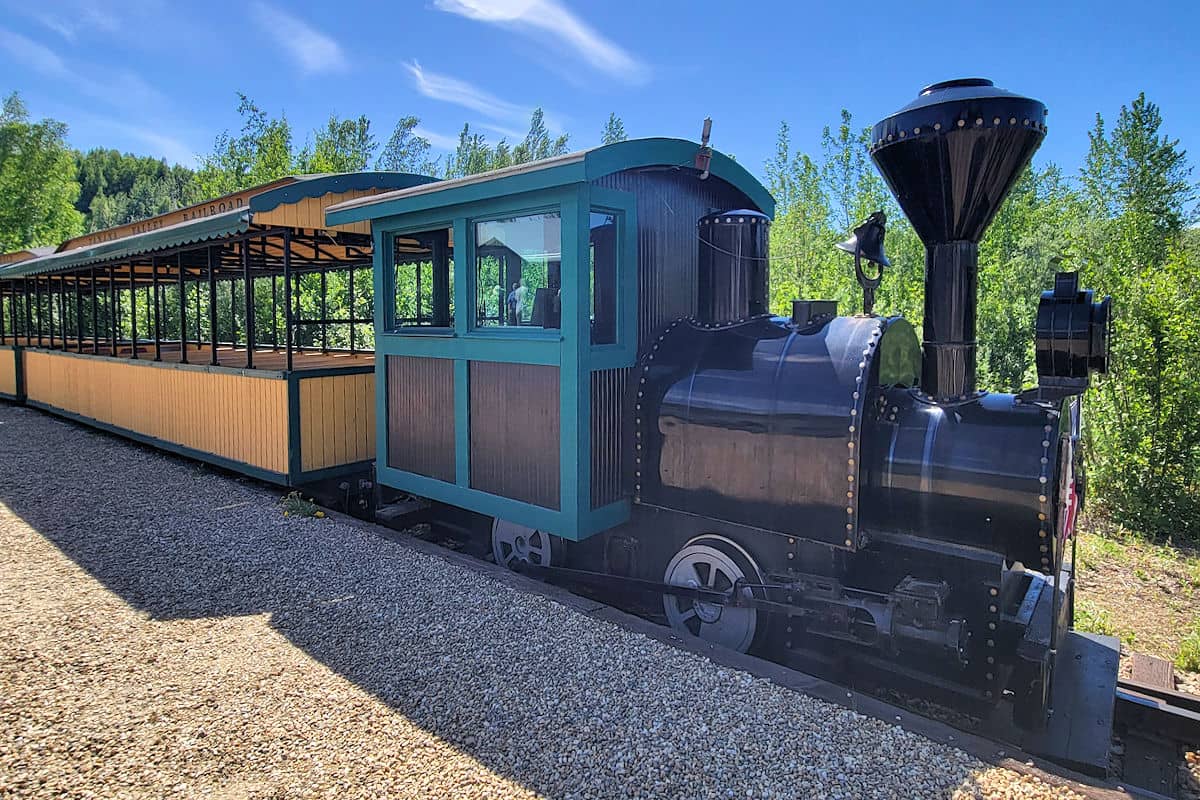
The narrow-gauge train transports visitors through the mining camp grounds. It offers a vantage point to see reclaimed tailing piles left by historic dredging.
Sit on the side facing the ponds for better photos.
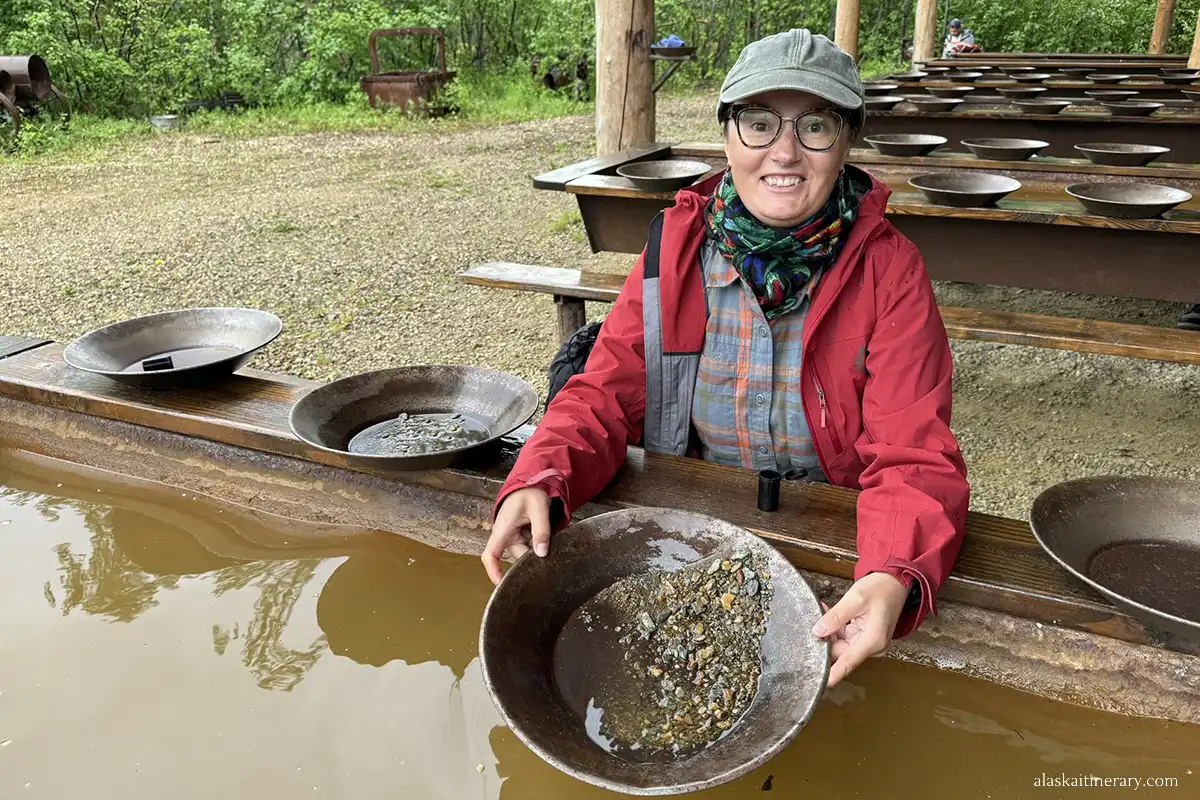
At this facility, visitors use traditional sluice boxes and pans to recover gold flakes from pay dirt. Staff members provide demonstrations on how to properly identify and capture gold.
Check your pan edges carefully for fine gold dust.
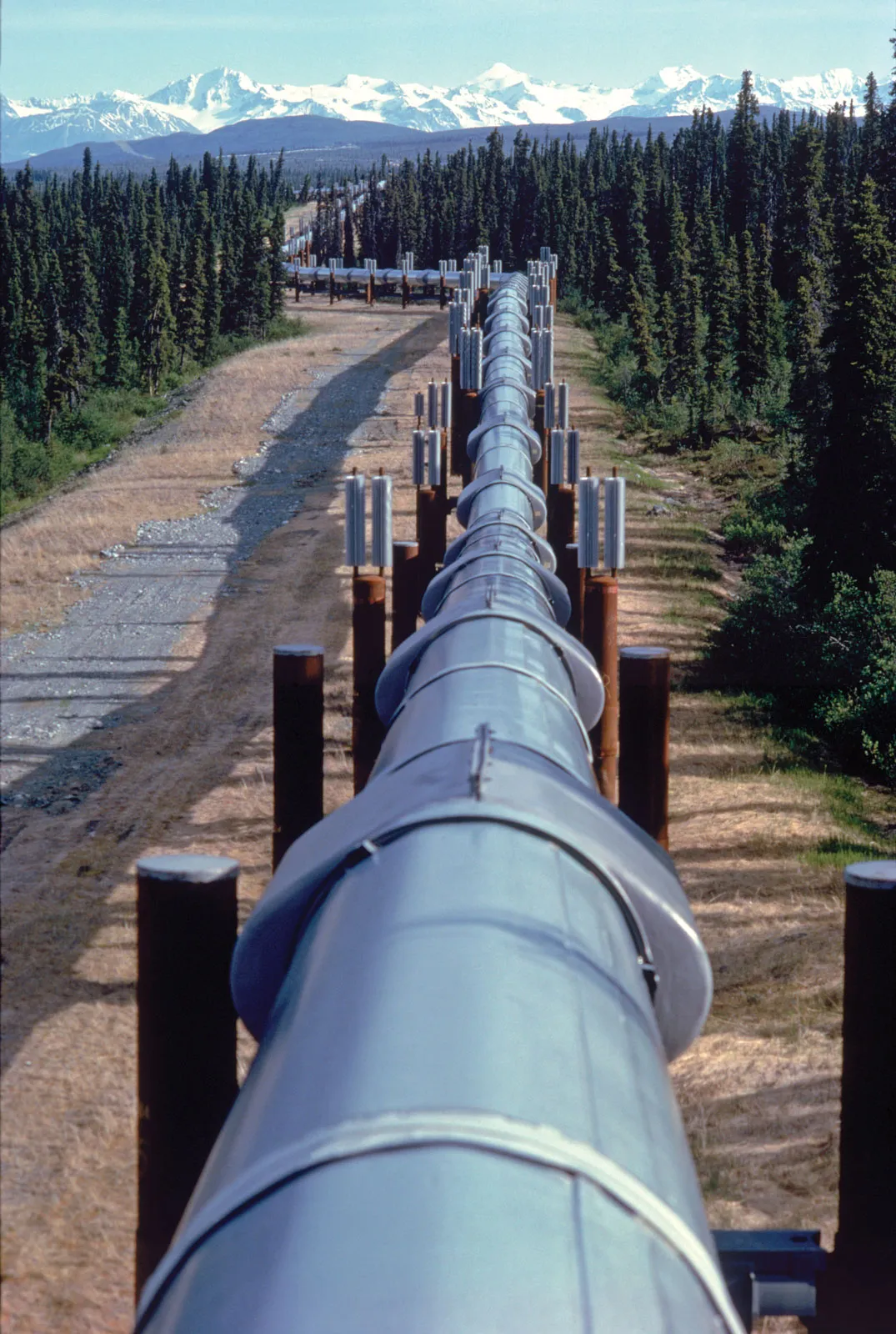
A section of the Trans-Alaska Pipeline is visible near the site entrance. It illustrates the contrast between historic gold mining and modern oil transport infrastructure.
View from the parking area before entering the grounds.
Everything you need to know about public gold panning fairbanks alaska
Gold Dredge 8 provides a structured mining experience rather than open access to public gold panning fairbanks alaska grounds. Guests participate in a guided tour that concludes with an opportunity to pan for gold. The entrance fee of 92 USD covers a 2-hour guided mine tour, a train ride, and the gold panning experience. This comprehensive package ensures all equipment is provided for your session. This attraction is highly suitable for families and children, offering an educational look at the historic mining industry in Interior Alaska. The interactive panning station allows visitors of all ages to find gold to keep. Arriving between 10:00 and 14:00 is recommended to avoid mid-day tour group crowds. Planning your arrival within this window ensures sufficient time for the 2-hour tour. The total visit duration is typically 2 hours. Beyond the structured tour at this site, public gold panning fairbanks alaska options are limited as most claims are privately held. Gold Dredge 8 remains the most accessible way for visitors to experience the process. We recommend checking the official site to confirm availability for your desired date. Booking ahead helps secure your place on the train and tour schedule.